





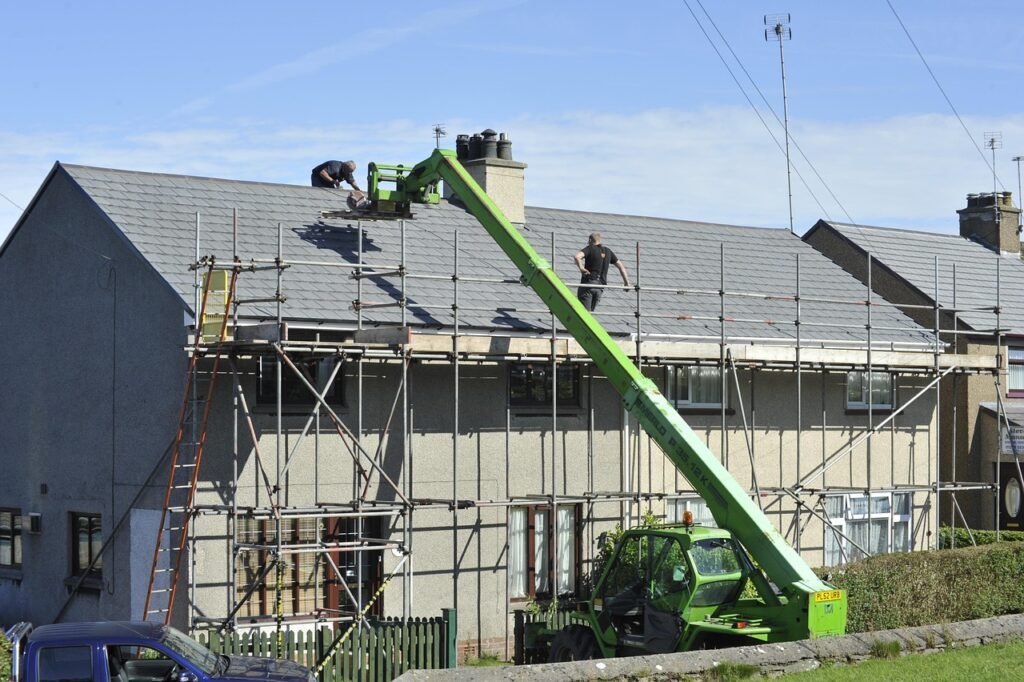
Chimneys can present serious hazards, from creosote buildup that poses fire risks to carbon monoxide backdrafts due to blockages. To keep homes safe, regular inspections are essential for uncovering these dangers.
Annual chimney inspections can ward off expensive repairs by catching problems early. Small issues like cracking, if identified in time, can spare homeowners from more extensive and costly fixes down the line.
Key repairs for chimneys encompass cap installation, flue liner inspection or replacement, and flashing maintenance. Each of these elements is vital for preserving the chimney’s overall integrity and functionality.
Costs for chimney repairs can fluctuate dramatically, depending on damage extent, material choices, and accessibility. Homeowners should gather multiple quotes to ensure they are receiving the best value and service available.
The humid climate in Orlando can take a toll on chimneys, making routine maintenance especially important, particularly after severe weather events. Seasonal inspections can help mitigate moisture and environmental damage.
Prioritizing comprehensive chimney maintenance—including regular cleanings and inspections—is crucial for ensuring both optimal performance and safety. Routine chimney sweeps are vital for reducing fire risks.
When choosing a chimney repair professional, homeowners should seek certifications from reputable organizations and confirm the contractor’s experience. Asking specific questions can promote transparency and trust with the selected contractor.
Why Regular Chimney Inspections Are Non-Negotiable for Orlando Homes
The Hidden Dangers Lurking in Your Chimney
Many homeowners fail to grasp the importance of their chimneys, often viewing them as mere structural features. The truth, however, can be alarming. Chimneys can conceal serious hazards that endanger both safety and the home’s integrity. For instance, creosote buildup forms over time from burning wood, presenting a major fire hazard. Meanwhile, debris blockages—like leaves or animal nests—can cause perilous carbon monoxide backdrafts that threaten occupants’ health.
In the humid climate of Orlando, heat and moisture can worsen these issues. Materials such as brick, stone, or metal can deteriorate over time. Skilled inspectors can spot vulnerabilities and inform homeowners about specific threats—many of which may not be visible from the ground.
How Inspections Can Extend Your Chimney’s Lifespan
Regular inspections serve as a protective measure against costly repairs in the future. It’s often overlooked that early detection of issues leads to more manageable and less costly solutions. A minor crack in masonry today could snowball into a major structural dilemma without proper monitoring. Inspections also create opportunities to check essential components like caps, flues, and flashing.
Annual evaluations ensure that wear and tear from moisture and insects are promptly addressed. For example, spotting flue liner problems before they develop can save homeowners considerable amounts in repairs. These proactive measures ultimately foster a healthier chimney and a safer home.
Essential Chimney Repair Services Every Orlando Homeowner Should Know
Understanding Cap, Flue, and Flashing Repair Options
Multiple components work in harmony to uphold a chimney’s functionality and integrity. Understanding how these parts function enables homeowners to make informed decisions when repairs are required. Chimney caps, for instance, block water from entering while also preventing animals from nesting—an issue that can cause serious blockages.
Flue repairs frequently center around the liner. A damaged flue liner can jeopardize the entire system, allowing harmful gases to escape into the home. Thus, repairing or replacing this critical component is essential for safe operation.
Flashing, the crucial barrier separating the chimney and the roof, demands equal attention. Incorrect installation or damage can result in leaks and structural water issues. Homeowners should make it a priority to cover services that include:
- Cap installation or repair
- Flue liner inspection and replacement
- Flashing maintenance and sealing
Each of these services is crucial for the chimney’s overall performance.
Typical Costs and What Factors Influence Pricing
Recognizing the financial aspects of chimney repair services is essential. Costs can vary significantly depending on various factors. Simple repairs might range in the hundreds, while extensive work can run into the thousands. Labor, materials, and the specific job at hand all play a role in determining pricing.
Here are some key factors homeowners should keep in mind:
- Extent of damage: Naturally, minor repairs will cost less compared to major structural restorations.
- Quality of materials: Higher-quality materials may have greater costs but also offer enhanced durability.
- Accessibility: A chimney that’s hard to reach might necessitate specialized equipment, driving up expenses.
Obtaining multiple quotes can clarify necessary services and identify which professionals offer the best value.
How Seasonal Changes Affect Your Chimney’s Integrity
Preparing Your Chimney for Orlando’s Unique Climate
Orlando’s weather patterns can be unpredictable, with everything from torrential summer rains to rare winter chills. This fluctuation significantly impacts chimneys. Homeowners should stay attuned to seasonal conditions. Moisture introduces vulnerabilities, particularly to the chimney’s masonry. Regular checks become increasingly vital after severe weather events.
Inspections following storms can reveal water damage and its effects before they escalate into serious issues. Routine maintenance during the dry season fortifies a chimney’s defenses against environmental elements. For instance, applying water-repellent sealants may prevent potential problems down the road.
Essential Maintenance Tips for Year-Round Care
Proper maintenance involves more than just visual inspections. Homeowners should implement a comprehensive care plan that integrates both preventive and corrective actions. Here are a few maintenance tips to consider:
- Regularly clean the chimney to avoid creosote accumulation.
- Watch for signs of wear, including cracks or deteriorating mortar.
- Periodically inspect the cap and flashing.
Conducting routine chimney sweeps can drastically lessen the risk of fires and ensure optimal performance. It’s an often-overlooked step that’s vital for long-term safety and functionality.
Choosing the Right Chimney Repair Professional in Orlando
Key Qualifications and Certifications to Look For
Finding a suitable contractor may seem overwhelming, yet it’s crucial to hire professionals who understand the intricacies of chimney repair. Look for certifications from organizations like the Chimney Safety Institute of America (CSIA). These certifications reflect a commitment to upholding industry standards.
Beyond credentials, it’s important to check experience levels. A contractor with years in the field is more likely to have faced varied issues and developed practical solutions. Personal references from friends or family, paired with online reviews, can significantly narrow down choices.
Questions to Ask Before Hiring a Contractor
Having a conversation with prospective contractors can clarify their skills and methods. Here are some questions that may yield valuable insights:
- What specific services do you provide for chimney repairs?
- Can you share references from previous clients?
- What’s your estimated timeframe for completion?
These inquiries can not only promote transparency but also help build a relationship based on trust and accountability.
“Selecting a qualified chimney repair professional isn’t just important; it’s crucial for your home’s safety.”
Homeowners seeking chimney repair services in Orlando should keep these factors in mind. Understanding what contributes to safety and longevity clarifies the path ahead, ensuring peace of mind and security for families and properties alike.
FAQ
How often should a chimney be cleaned?
Experts typically recommend a comprehensive cleaning at least once a year, particularly in areas of frequent use. If wood-burning appliances are often utilized, more frequent cleaning may be necessary.
What are the signs that a chimney needs repair?
Signs to watch for include visible cracks, unusual odors, or difficulty in lighting fires. Homeowners should also be on the lookout for rust on metal flue liners or excessive creosote accumulation.
Can homeowners perform any chimney maintenance themselves?
While some basic tasks, such as removing debris from the cap, can be done by homeowners, anything beyond that is best left to the professionals. They possess the expertise and equipment necessary for thorough inspections and repairs.
How long do chimney repairs typically take?
The timeline varies depending on the required extent of work. Simple repairs might only take a few hours, while more complex jobs could span several days.
Are there specific materials preferred for chimney repairs?
Yes, materials like stainless steel for flue liners or durable caps designed to withstand various elements are often preferred. Quality materials significantly contribute to the longevity of the repairs.
Is it necessary to have a chimney inspection if it hasn’t been used in a while?
Absolutely. Even unused chimneys can develop issues due to moisture, pests, or debris. An inspection ensures that no hidden dangers are present, ready to cause problems when the chimney is eventually used.
What can be done to improve chimney safety beyond regular maintenance?
Homeowners can install carbon monoxide detectors and ensure proper ventilation. Staying proactive with seasonal inspections is also vital for addressing potential issues before they escalate.
What licensing or insurance should chimney repair professionals have?
It’s crucial for contractors to hold liability insurance and be licensed within their field. This offers protection and reassurance that they adhere to industry standards and safety regulations.
Useful Resources
- Chimney Safety Institute of America (CSIA)
- National Fire Protection Association (NFPA)
- Smoke Control Systems (SCS)
- American Society of Heating, Refrigerating and Air-Conditioning Engineers (ASHRAE)
- U.S. Environmental Protection Agency (EPA)
- Fire Safe Council
- International Association of Certified Home Inspectors (InterNACHI)
- Air-Conditioning, Heating, and Refrigeration Institute (AHRI)

Written by
 Swati Gupta