

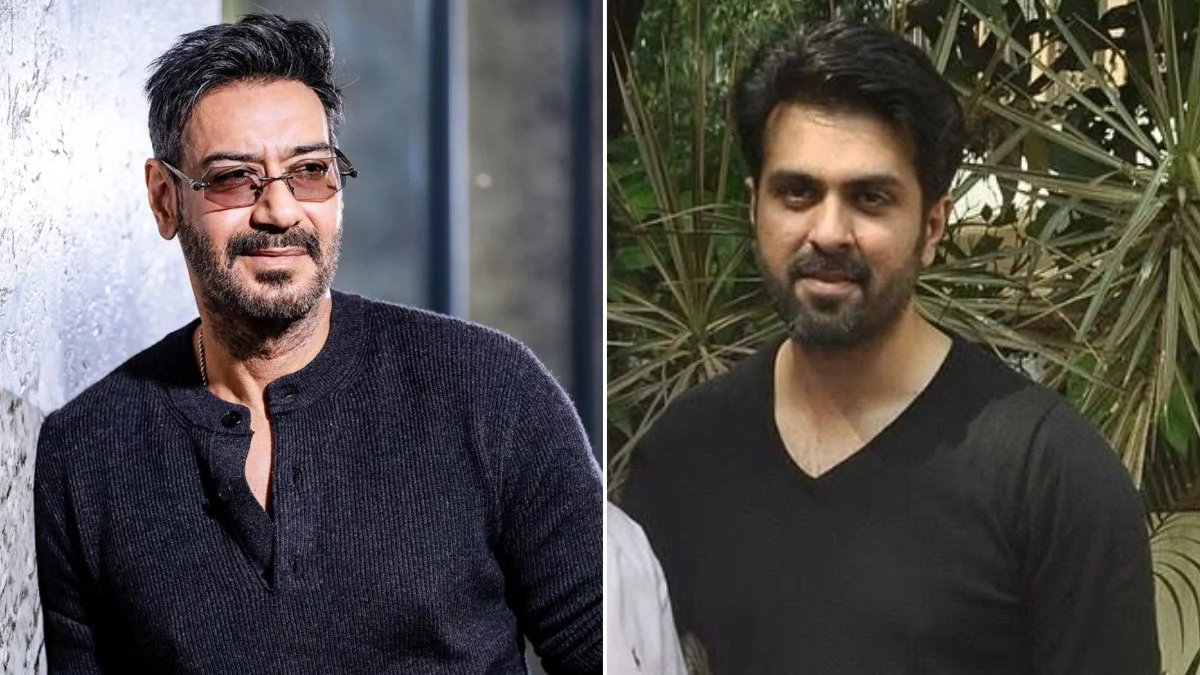
Thirty years after the release of Diljale, actor, producer, and writer Harman Baweja reflects on the movie with feelings that extend well beyond mere nostalgia. For him, the film brings back memories of one of his earliest encounters with the mechanics of filmmaking, particularly concerning the responsibilities of a director.
At just 15 years old, Harman visited the set of Diljale, which was directed by his father, the veteran filmmaker Harry Baweja. While observing the filming of “Shaam Hai Dhuan Dhuan,” he noticed he was surrounded by leading industry figures: Saroj Khan was choreographing the track, Veeru Devgan was managing the action sequences, and various actors and department heads were each handling their respective duties.
Harman Baweja Recalls His First Filmmaking Lesson On Diljale
Observing everyone around him working busily left Harman genuinely puzzled about what his father’s actual function was on set, given that everyone else appeared to have a clearly designated role.
Trending
“I remember sitting and having lunch and then looking at my father and saying, ‘I’m very confused, what do you do on set?’ Everybody on that lunch table laughed. I was like, Veeruji is doing the action, Sarojji is doing the choreography, Naidu uncle is doing the camera work. All the actors are doing their job. So I was like, what are you doing as a director? Because everybody’s doing their job,” Harman recalls.
Harry Baweja’s Lesson On A Director’s Vision
Harry Baweja’s response provided Harman with one of his foundational understandings of filmmaking. Rather than offering a standard explanation, he told his son that a director’s primary duty is to unite various departments and individual talents to create a singular cinematic vision.
“He just looked at me and said, ‘You’re absolutely right.’ He told me the job of a director is to effectively tell and narrate a story in the audiovisual medium. These HODs, these technicians, these crews — they’re a plethora of talent, but eventually they all have to fall into the vision of what the director wants to say,” Harman says.
For a 15-year-old observing his father at work, the lesson was straightforward yet profound. He witnessed directly how a director unifies actors, technicians, and crew members to drive them toward a single, shared narrative.
The Song That Teaches Harman To Trust His Instinct
Another valuable takeaway from that same production occurred during the creation of “Shaam Hai Dhuan Dhuan.” Harman remembers that upon initially recording the song, neither Harry Baweja nor music composer Anu Malik felt completely satisfied with it. Possessing a sharp ear for music, his father believed the track needed revision. They returned to the studio, reworked the piece, and ultimately decided to follow their creative instincts. The song eventually emerged as one of Diljale’s most popular tracks.
For Harman, this served as an early lesson in trusting personal conviction, even when initial feedback is discouraging. Reflecting on the experience today, Harman expresses gratitude for having witnessed the entire creative process at a young age alongside some of the industry’s top talents.
“Today, I feel so blessed that I had the chance to witness my father and all these great actors, technicians and choreographers doing their magic. Being around them at that age and seeing how a film comes together has definitely helped me become a better filmmaker. I carry those learnings with me as I continue to build my own journey and carry forward my father’s legacy,” he says.
Harman Baweja’s Journey From Acting To Production
Three decades later, Harman oversees his own projects, and those two early experiences concerning vision and conviction function almost as a roadmap for his professional trajectory.
Following his acting return in Scoop, Harman has transitioned heavily into production, currently acting as Managing Director at Baweja Studios and working full-time as a producer. He has also expanded into writing, co-authoring and producing titles such as Mrs. and System, while consistently supporting stories aimed at connecting with viewers.
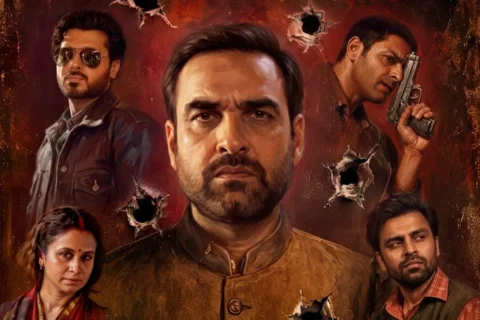
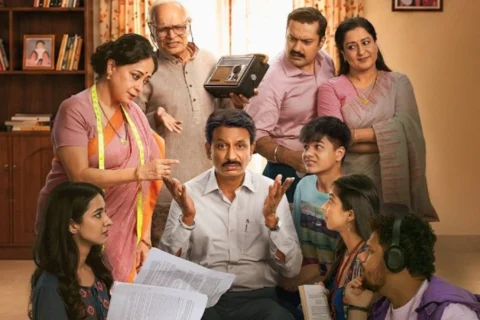
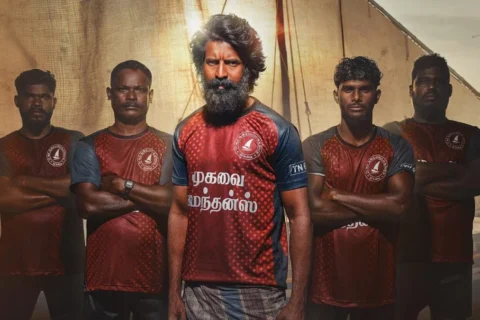
From Haq to projects like Kaptaan and Bhagwat Chapter One: Raakshas, his production lineup demonstrates this specific intent. With Dil Ka Darwaja and Jugaddu currently lined up, alongside Captain India actively filming, Harman is growing Baweja Studios with a distinct emphasis on compelling stories, strong talent, and long-range vision—mirroring the same principles his father demonstrated decades earlier by bringing the right people together, relying on personal conviction, and guiding a film from concept to the screen.
Looking back at Diljale offers Harman far more than just nostalgia. It connects him back to one of the initial sets where he first observed what it takes to lead a production, collaborate with a team, and transform a vision into a tangible audience experience. Thirty years onward, those principles continue to shape the work he produces at Baweja Studios.
For more such updates, check out Koimoi Bollywood News.
Must Read: The Vvaan Ending Explained: Does Van Devi Come To Rishi & Mamta’s Life – Will Sidharth Malhotra & Tamannaah Bhatia Arrive With A Prequel?
Follow Us: Facebook | Instagram | Twitter | YouTube | Google News